Testicular Cancer
Testicular cancer is uncommon, affecting only one out of every 250 men in the United States, with just over 9,000 cases reported each year. That said, it’s the most common cancer diagnosis in American males between the ages of 15 and 35. The good news is that this type of cancer is highly treatable, especially with the right team. That team can be found at Charleston Oncology. To learn more, call to request an appointment.

RSFH Urologic
Cancer Care
Request An
Appointment
Share My
Story
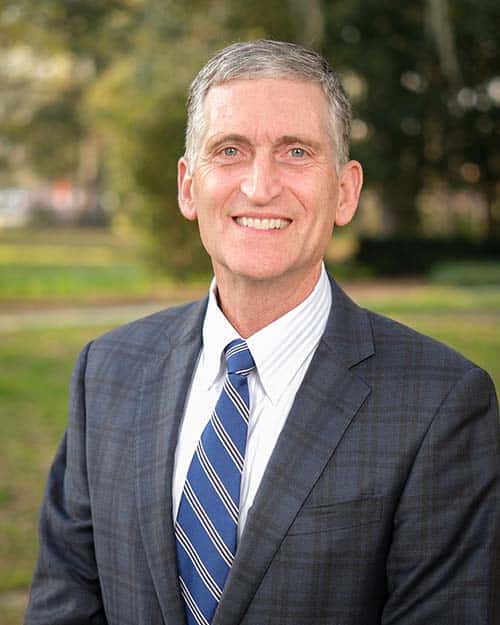
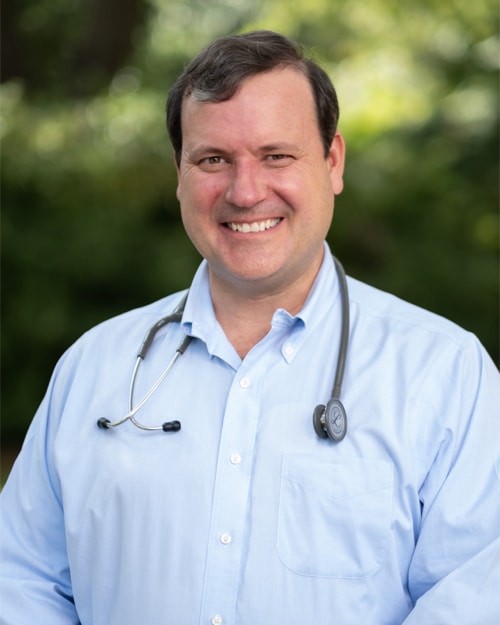
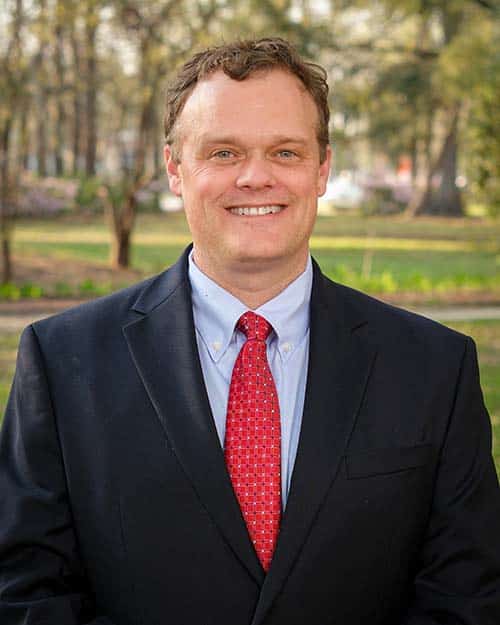
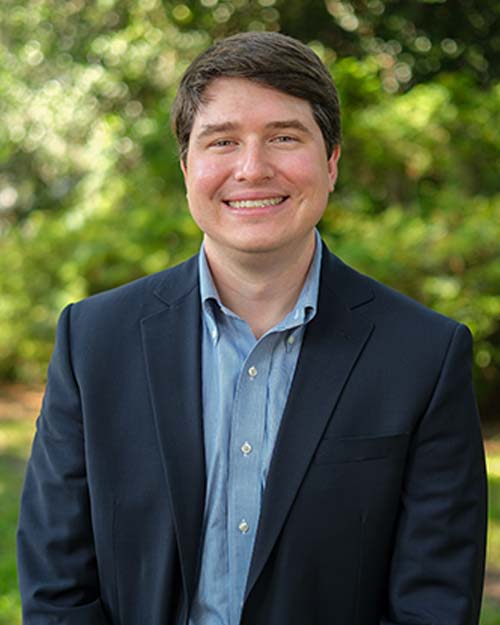
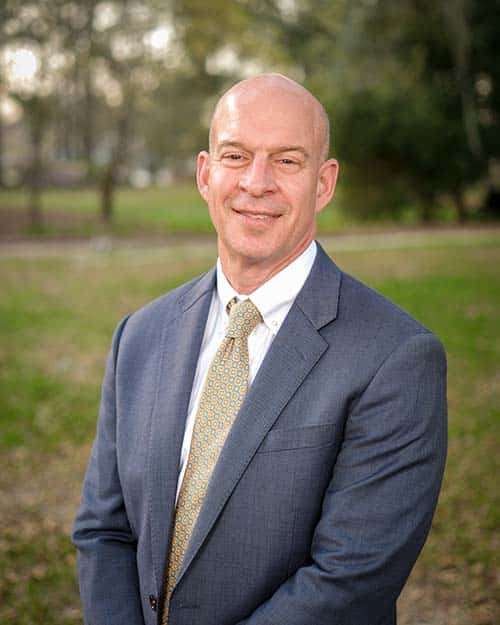
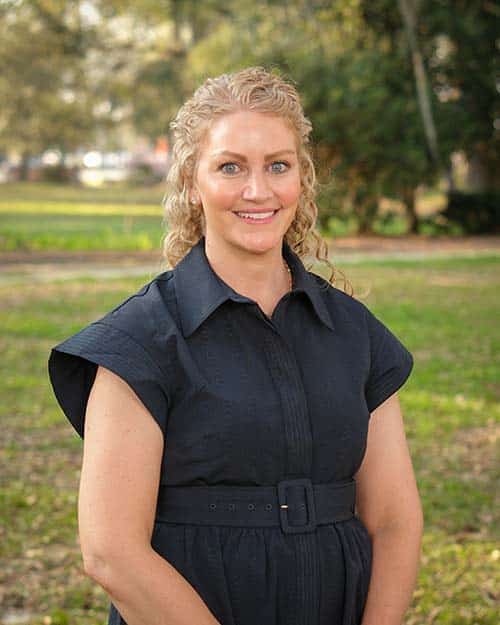
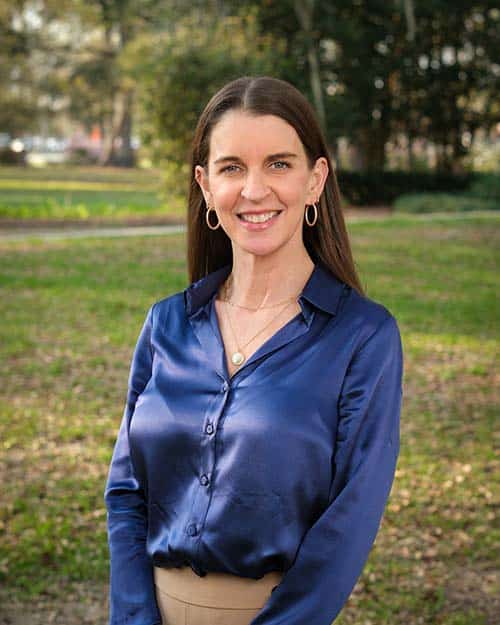
Board Certified Oncologists Specializing in Testicular Cancer
Downtown, Mt. Pleasant, West Ashley
N. Charleston, Summerville, Walterboro
WHAT TO EXPECT FROM TESTICULAR CANCER CARE AT CHARLESTON ONCOLOGY
At Charleston Oncology, we understand that a testicular cancer diagnosis can be overwhelming. That’s why we’re here to guide you through every step of your treatment, starting with the compassionate care provided by our medical oncology team. With expertise, innovative treatments, and a patient-focused approach, we aim to empower you with clarity, confidence, and support throughout your cancer journey.
CONDUCTING THE ORCHESTRA
Medical oncologists are a vital part of your testicular cancer care team. At Charleston Oncology, our team works with you to develop a personalized care plan, helping you understand your options and make informed decisions about your treatment. Similar to an orchestra conductor, your oncologist ensures that all caregivers throughout your journey are coordinated and aligned with your treatment plan.
Your medical oncologist serves as both a guide and an advocate, ensuring you receive the best possible care tailored to your unique needs. They also collaborate with urologists, radiation specialists, and other members of our multidisciplinary team to deliver comprehensive care focused on your overall well-being.
TYPES OF TESTICULAR CANCER:
- Germ Cell Tumors: Seminomas (slow-growing) and non-seminomas (faster-growing)
- Gonadal Stromal Tumors: Arising from hormone-producing tissue
Secondary Testicular Cancer: Resulting from other cancers such as lymphoma or leukemia
DIAGNOSIS OF TESTICULAR CANCER
Early detection is critical for successful treatment. Charleston Oncology uses a combination of advanced testing and imaging to diagnose testicular cancer accurately.
Common diagnostic tools include:
- Physical Examination: Detects lumps or abnormalities in the testicle
- Ultrasound: Evaluates the structure and nature of testicular masses
- Blood Tests: Measure tumor markers that can indicate cancer
- Biopsy / Surgical Evaluation: Removal of the testicle for definitive diagnosis when needed
These evaluations help your doctor determine the type and stage of cancer so that an appropriate, personalized treatment plan can be developed.
PERSONALIZED TESTICULAR CANCER TREATMENT PLANS
Testicular cancer treatment is highly individualized and depends on several factors, including the type of cancer, whether it has spread, and your overall health and preferences. Treatment options include:
Surgery: Surgical removal of the affected testicle (orchiectomy) is often the first step. Because most men have two testicles, removal of one typically does not significantly impact overall function.
Radiation Therapy: High-energy beams are used to target cancer cells, particularly effective for seminomas in select cases.
Chemotherapy: Medications used to destroy cancer cells, especially for more aggressive or advanced tumors.
Stem Cell Transplant: In certain cases of recurrent or high-risk testicular cancer, stem cell transplant may be recommended to support recovery after high-dose chemotherapy.
Clinical Trials: Charleston Oncology participates in studies exploring innovative therapies, offering patients access to cutting-edge treatments.
MULTIDISCIPLINARY AND INNOVATIVE CARE
Collaboration is central to effective cancer treatment. Our team of oncologists, urologists, radiation specialists, and support staff work together to provide seamless care, addressing every aspect of your health—physical, emotional, and psychological.
TAKE THE NEXT STEP
Your treatment, your choice—it all starts with understanding your options. At Charleston Oncology, we’re here to help you every step of the way. Schedule a consultation with one of our specialists today to explore the care, expertise, and support that make Charleston Oncology a trusted name in testicular cancer treatment.
CONTACT US TODAY
Discover the compassionate, advanced care waiting for you right here in Charleston.
Request an Appointment | Learn More About Our Treatments | Meet Our Team
What are the main types of testicular cancer?
The majority of testicular cancers start in your germ cells, which are responsible for producing sperm. These tumors are either seminomas or non-seminomas, and the latter is the faster growing of the two.
The tumors can first develop as a noninvasive disease called carcinoma in situ or intratubular germ cell neoplasia. These conditions don’t necessarily lead to cancer and often go undiagnosed until, and if, they turn into a germ cell cancer.
Testicular cancer can also present itself in your hormone-producing tissue as gonadal stromal tumors.
Tumors can also develop as a result of another cancer, meaning it’s a secondary type of cancer, which most often occurs with lymphoma and acute leukemia.
What are the signs of testicular cancer?
- A mass in your testicle
- Pain in your groin, usually a dull ache
- Fluid buildup in your scrotum
- Back or abdominal pain
- Enlarged breasts (though this is rare)
If you have any of these symptoms, your doctor at Charleston Oncology investigates further using the following:
- Ultrasound
- Blood tests
If your doctor finds a suspicious lump, they may recommend removing your testicle to perform further testing. Because you have two testicles, the loss of one usually isn’t terribly serious and its impact not very significant.
How is testicular cancer treated?
As stated in the question above, surgical removal of your testicle is often the first step when it comes to testicular cancer. Depending upon the resulting biopsy of your testicle, your doctor may recommend follow-up treatment to ensure that your cancer is fully eradicated. These treatments include:
- Radiation
- Chemotherapy
- Stem cell transplant
Outside of these treatments, your doctor may recommend a clinical trial if one is available for testicular cancer.
For more information on testicular cancer, call Charleston Oncology to schedule a consultation.
Medical Oncology and Hematology Specialists located in Downtown Charleston, North Charleston, West Ashley, Mt. Pleasant, Summerville & Walterboro, SC.
When I was diagnosed with breast cancer, I felt like my whole world stopped. But from the moment I walked into Charleston Oncology, I knew I was in the right hands. The doctors explained everything clearly and made me feel like I wasn’t just another patient — I was part of their family.
Sarah T – Breast Cancer Survivor
Stories from our Patients
Our patients share their journey with newly diagnosed patients. Here their inspirational stories and advice
during the fight against liver cancer.
Read the Blogs

The Importance of Subspecialization in Oncology: Our Commitment at Charleston Oncology
The Importance of Subspecialization in Oncology: Our Commitment at Charleston OncologyAt Charleston Oncology, we know that a cancer diagnosis can be overwhelming. For most patients, the search for the right doctor quickly becomes one of the most important steps on...

Lung Cancer in Non-Smokers: What You Should Know
Lung Cancer in Non-Smokers: What You Should KnowAt Charleston Oncology, we understand that lung cancer is often linked to smoking, but it’s important to remember that lung cancer can affect anyone, even those who have never smoked. As part of Lung Cancer Awareness...

Why Early Detection Matters: Breast Cancer Screening Guidelines By Age
Why Early Detection Matters: Breast Cancer Screening Guidelines By AgeBreast cancer is the most common cancer diagnosed in women, but it is also one of the most treatable when found early. Early detection is the single most powerful tool we have in the fight against...
Voted Best In Charleston
Charleston Oncology – Best Oncology Practice
With over 100 years of combined experience, the team of hematologists and oncologists at Charleston Oncology, a department of Bon Secours St. Francis Hospital, is proud to be named HealthLinks Magazine’s Best Oncology Practice.
David Ellison, M.D. – Best Oncologist
Honored as Best Oncologist, Dr. David Ellison is a past recipient of the Physician Champion Award from the Roper St. Francis Foundation, founding chairman of the Lowcountry Komen for the Cure Foundation, and principal investigator for several groundbreaking cancer drug clinical trials.
