Liver and Bile Duct

Cancer Care
Request An
Appointment
Share My
Story
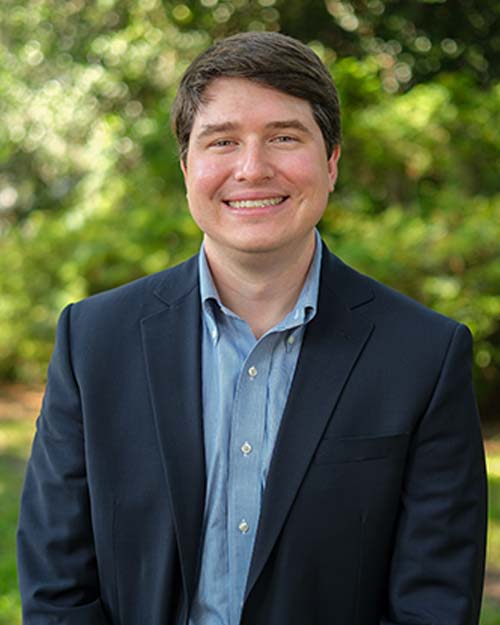
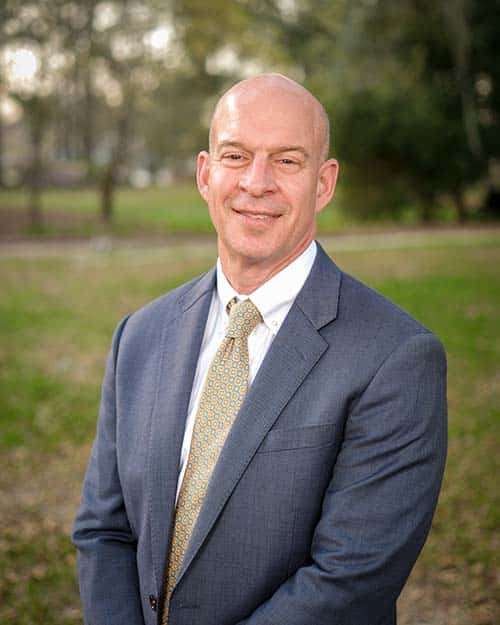
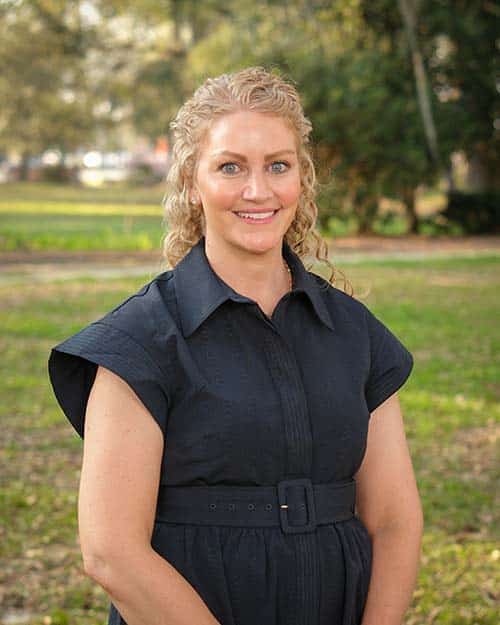
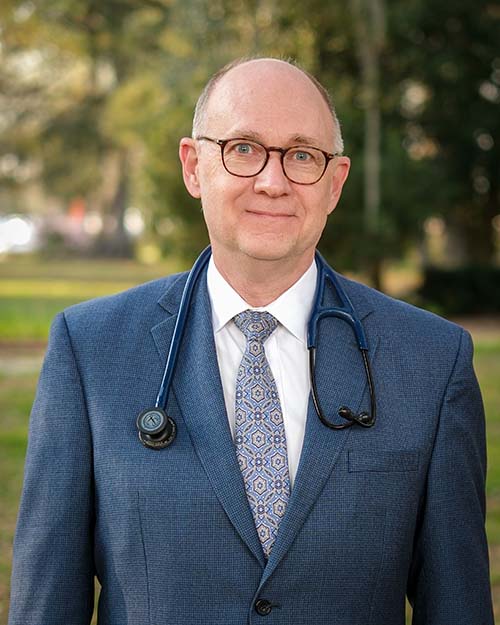
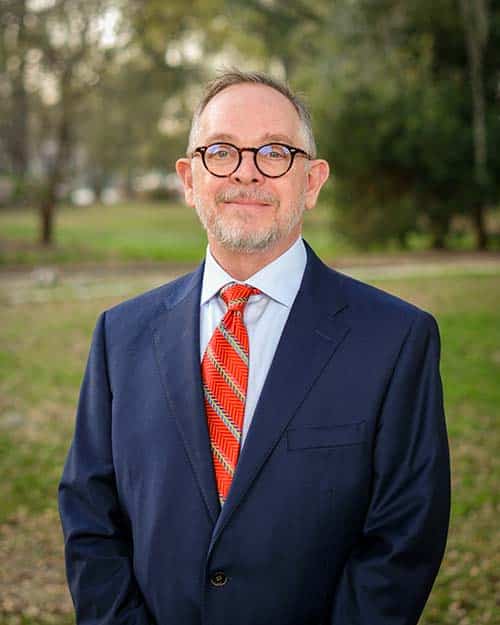
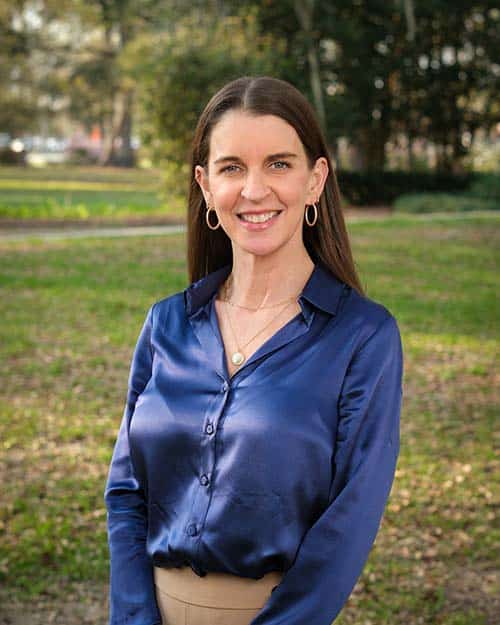
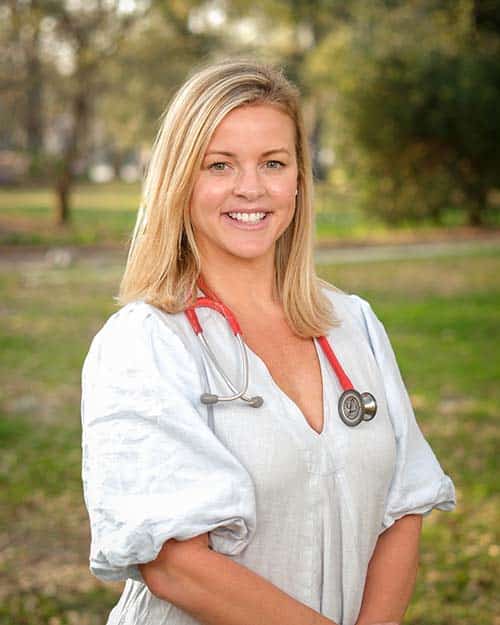
BOARD CERTIFIED LIVER AND BILE DUCT ONCOLOGISTS


WHAT TO EXPECT FROM LIVER CANCER CARE AT CHARLESTON ONCOLOGY
Your medical oncologist is a central guide in your liver cancer care. Like an orchestra conductor, they ensure that surgeons, radiologists, interventional specialists, and support staff work together seamlessly to provide a coordinated, personalized treatment plan.
Your oncologist advocates for you at every stage, helping you understand your options and coordinating care to deliver the best outcomes for your unique situation.
At Charleston Oncology, we understand that a liver cancer diagnosis can be overwhelming. That’s why our medical oncology team is here to guide you through every step of your treatment. With expertise, innovative therapies, and a patient-focused approach, we aim to empower you with clarity, confidence, and support throughout your liver cancer journey.
CONDUCTING THE ORCHESTRA OF CARE
Your medical oncologist is a central guide in your liver cancer care. Like an orchestra conductor, they ensure that surgeons, radiologists, interventional specialists, and support staff work together seamlessly to provide a coordinated, personalized treatment plan.
Your oncologist advocates for you at every stage, helping you understand your options and coordinating care to deliver the best outcomes for your unique situation.
PERSONALIZED LIVER CANCER TREATMENT PLANS
Liver cancer treatment is highly individualized and depends on factors such as the type and stage of cancer, whether it has spread, and your overall health. At Charleston Oncology, we offer a full spectrum of treatments tailored to your needs:
Surgery: When possible, surgical removal of the tumor offers the best chance for long-term control. Depending on your condition, surgery may include:
- Partial hepatectomy: Removal of only the cancerous portion of the liver.
- Liver transplant: In select cases, a transplant may be considered to replace the diseased liver.
Targeted Therapies: Medications that specifically attack cancer cells while sparing healthy tissue, slowing tumor growth and improving outcomes.
Immunotherapy: Innovative treatments that stimulate your immune system to recognize and fight cancer cells.
Radiation Therapy: Advanced techniques, including CyberKnife®, can deliver precise, high-dose radiation to tumors while minimizing damage to surrounding tissue.
Tumor Ablation: Procedures such as radiofrequency or microwave ablation destroy tumors directly in the liver.
Embolization Therapy: Techniques like transarterial chemoembolization (TACE) or radioembolization cut off blood supply to tumors and deliver targeted therapy directly to the liver.
Chemotherapy: While less commonly used as a primary treatment, chemotherapy may be part of a combination plan for advanced disease.
DIAGNOSIS AND STAGING
Liver cancer often shows few symptoms in its early stages, but some warning signs may include:
- Unexplained weight loss
- Loss of appetite
- Abdominal pain or discomfort
- Nausea or vomiting
- Jaundice (yellowing of skin or eyes)
- A heavy feeling under the right rib cage
If preliminary tests raise suspicion, our team uses advanced diagnostics to confirm the diagnosis and stage the cancer:
- Imaging: Ultrasound, CT scans, MRI, and angiograms to evaluate the liver and surrounding structures.
- Laparoscopy: A minimally invasive procedure for direct visualization of the liver.
- Biopsy: Tissue testing to confirm the type of cancer.
- Angiogram: Observation of blood vessels.
Your doctor also performs a series of lab tests, including an alpha-fetoprotein (AFP) blood test, a liver function test, and a blood clotting test. Between the imaging and lab results, your doctor can get a better idea of the type and stage of your liver cancer.
CONTACT US TODAY
Discover the compassionate, advanced care waiting for you right here in Charleston.
Request an Appointment | Learn More About Our Treatments | Meet Our Team
When I was diagnosed with breast cancer, I felt like my whole world stopped. But from the moment I walked into Charleston Oncology, I knew I was in the right hands. The doctors explained everything clearly and made me feel like I wasn’t just another patient — I was part of their family.
Sarah T – Breast Cancer Survivor
Stories from our Patients
Our patients share their journey with newly diagnosed patients. Here their inspirational stories and advice
during the fight against liver cancer.
Read the Blogs

The Importance of Subspecialization in Oncology: Our Commitment at Charleston Oncology
The Importance of Subspecialization in Oncology: Our Commitment at Charleston OncologyAt Charleston Oncology, we know that a cancer diagnosis can be overwhelming. For most patients, the search for the right doctor quickly becomes one of the most important steps on...

Lung Cancer in Non-Smokers: What You Should Know
Lung Cancer in Non-Smokers: What You Should KnowAt Charleston Oncology, we understand that lung cancer is often linked to smoking, but it’s important to remember that lung cancer can affect anyone, even those who have never smoked. As part of Lung Cancer Awareness...

Why Early Detection Matters: Breast Cancer Screening Guidelines By Age
Why Early Detection Matters: Breast Cancer Screening Guidelines By AgeBreast cancer is the most common cancer diagnosed in women, but it is also one of the most treatable when found early. Early detection is the single most powerful tool we have in the fight against...
Voted Best In Charleston
Charleston Oncology – Best Oncology Practice
With over 100 years of combined experience, the team of hematologists and oncologists at Charleston Oncology, a department of Bon Secours St. Francis Hospital, is proud to be named HealthLinks Magazine’s Best Oncology Practice.
David Ellison, M.D. – Best Oncologist
Honored as Best Oncologist, Dr. David Ellison is a past recipient of the Physician Champion Award from the Roper St. Francis Foundation, founding chairman of the Lowcountry Komen for the Cure Foundation, and principal investigator for several groundbreaking cancer drug clinical trials.
Common Questions
WHAT ARE THE DIFFERENT TYPES OF BREAST CANCER?
Under the heading of breast cancer are several different types of the disease. While any cancer diagnosis is severe, the kind of cancer dictates to a great extent the nature of treatment you will receive. The main types of breast cancer are:
IN SITU CANCERS
These types of cancer are noninvasive, as well as pre-invasive, and are found in the milk glands in your breast. While these cancers are localized, they still warrant treatment and bear close monitoring because they can become more aggressive.
INVASIVE BREAST CANCERS
Invasive cancers, such as the more common invasive ductal carcinoma and invasive lobular carcinoma, need treatment because they have spread into your breast tissue.
There are rarer forms of breast cancer, which account for less than 3-9% of cancer cases, and include:
- Angiosarcoma
- Inflammatory breast cancer
- Paget disease of the nipple
- Phyllodes tumor
Messsages from our Physicians
What is liver cancer?
Your liver is the largest internal organ in your body and it’s responsible for filtering your blood, among other functions. There are several types of cancer that can originate in your liver, including:
Hepatocellular carcinoma
This is the most common form of liver cancer and presents itself either as a large tumor or small cancer nodules scattered throughout your liver.
Bile duct cancer (intrahepatic cholangiocarcinoma)
This type of the disease makes up 10-20% of diagnoses and starts in the cells of your liver’s bile ducts.
Angiosarcoma and hemangiosarcoma
These are rarer forms of the disease that originate in the cells that line the blood vessels in your liver.
While the above represent the most common forms of primary liver cancer, many cancers can metastasize to your liver, though your doctor will treat the primary cause of the cancer before addressing the problem in your liver.
What are the signs of liver cancer?
Often, the signs of liver cancer show up in its later stages, but sometimes there are warning flags in the early stages. These include:
- Weight loss
- Lack of appetite
- Pain in your abdomen
- Nausea and vomiting
- Jaundice
- A heavy feeling on your right side under your ribs
If your primary care doctor has run tests and performed some preliminary diagnostic imaging and found something suspicious, the doctors at Charleston Hematology Oncology Associates can narrow down your diagnosis with:
- Ultrasounds
- CT scans
- MRIs
- Angiogram to observe your blood vessels
- Laparoscopy for a closer look
- Biopsy to test the tissue
Your doctor also performs a series of lab tests, including an alpha-fetoprotein (AFP) blood test, a liver function test, and a blood clotting test. Between the imaging and lab results, your doctor can get a better idea of the type and stage of your liver cancer.
What are the treatments for liver cancer?
The doctors at Charleston Oncology recommend the latest treatment protocols put forward by the National Comprehensive Cancer Network, including:
- Chemotherapy
- Radiation, including CyberKnife®
- Tumor ablation
- Embolization therapy
- Immunotherapy
- Targeted therapy
- Surgery
Whatever treatment plan you follow, rest assured that your doctor works with the specialists necessary to combat your liver cancer.
To get started on your liver cancer treatment, call Charleston Oncology today.
Medical Oncology and Hematology Specialists located in Downtown Charleston, North Charleston, West Ashley, Mt. Pleasant, Summerville & Walterboro, SC.
